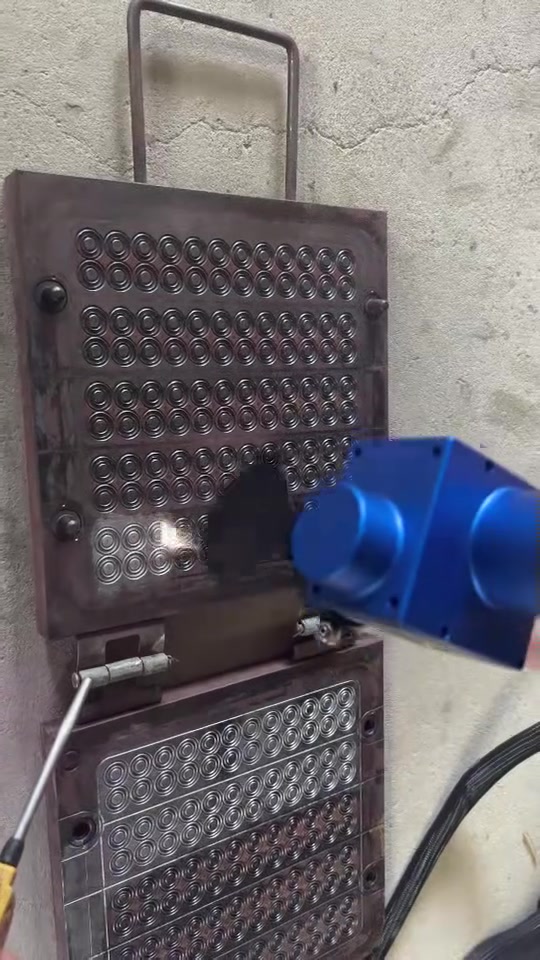
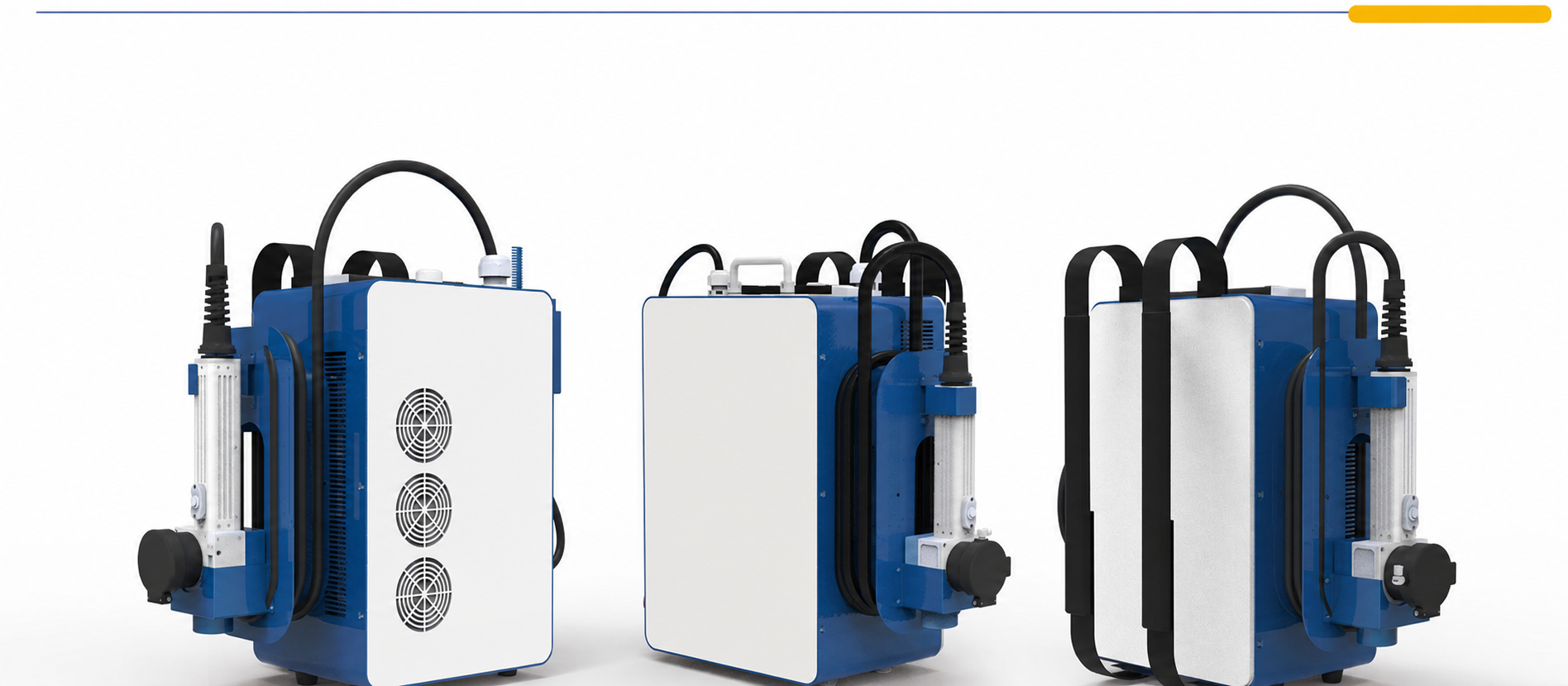
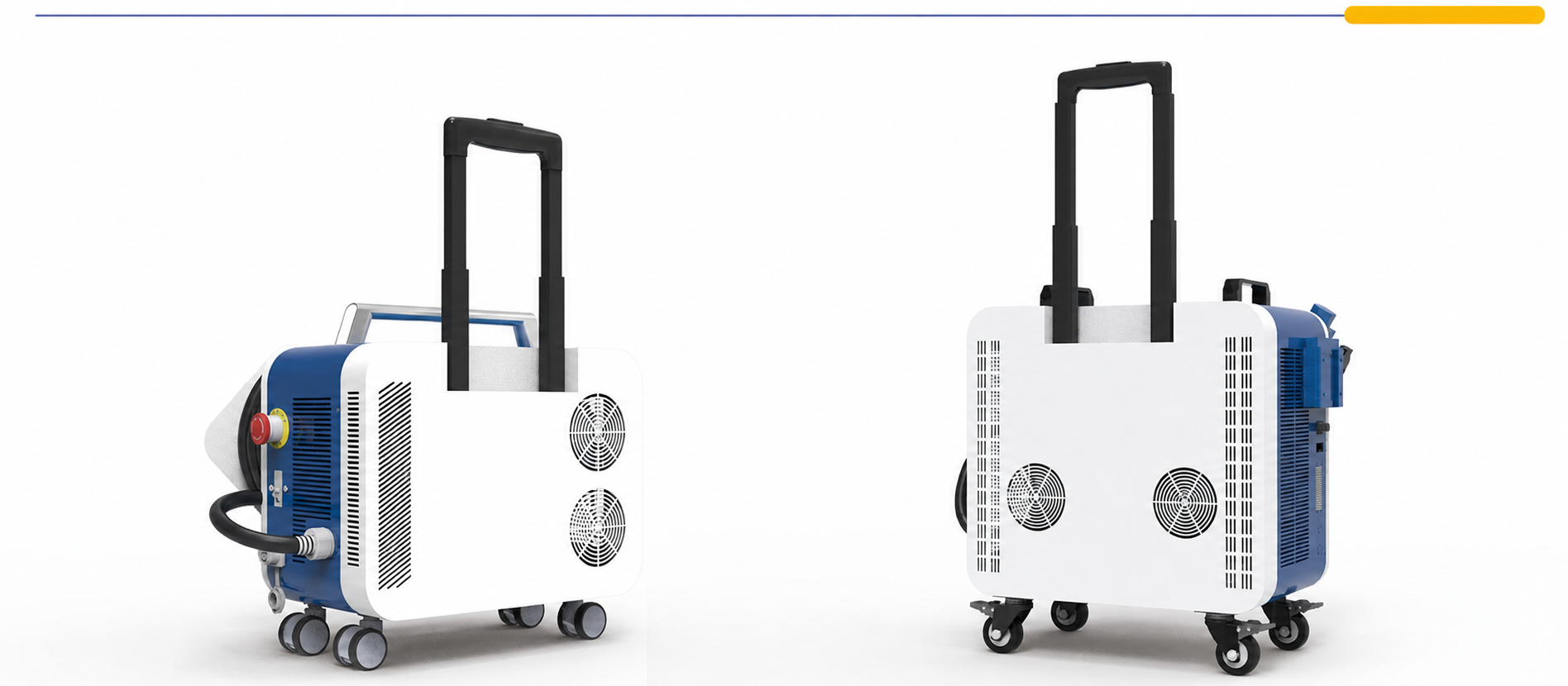
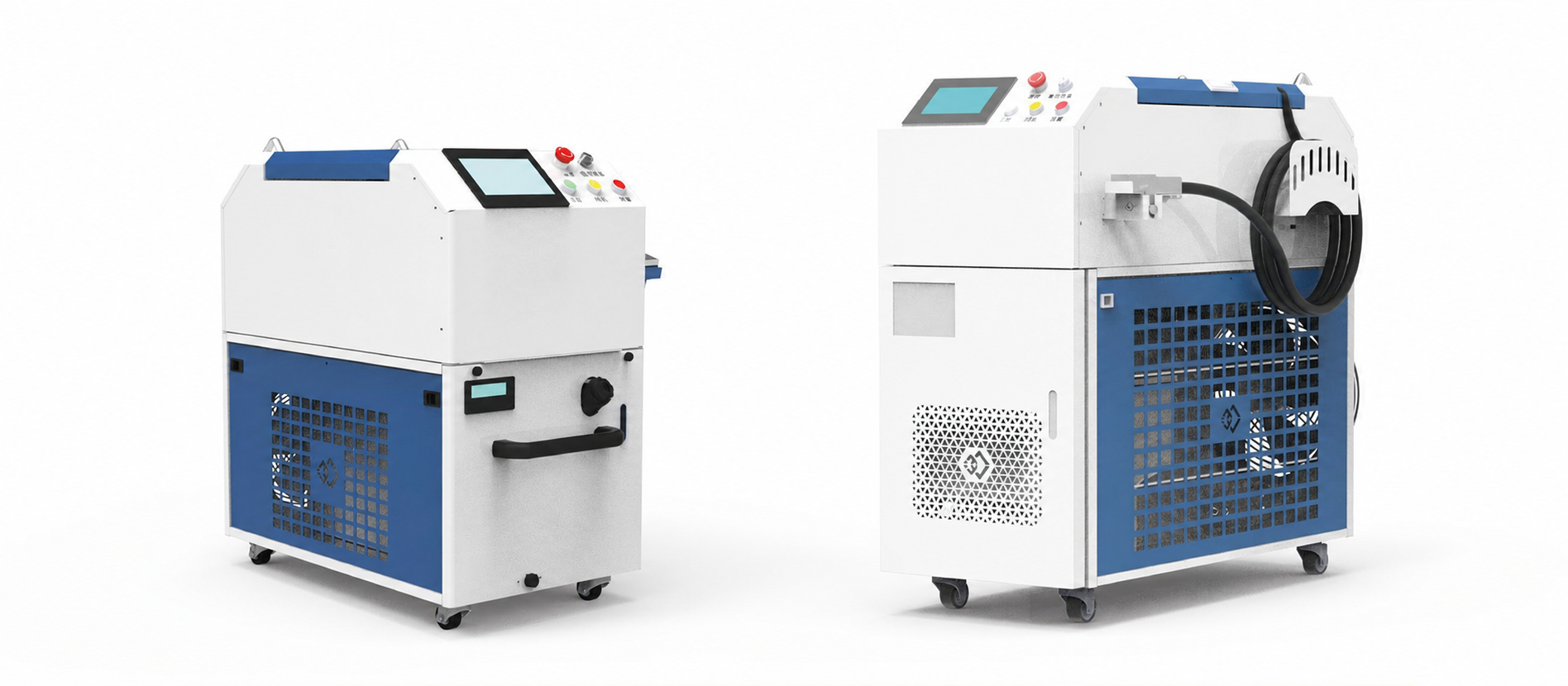
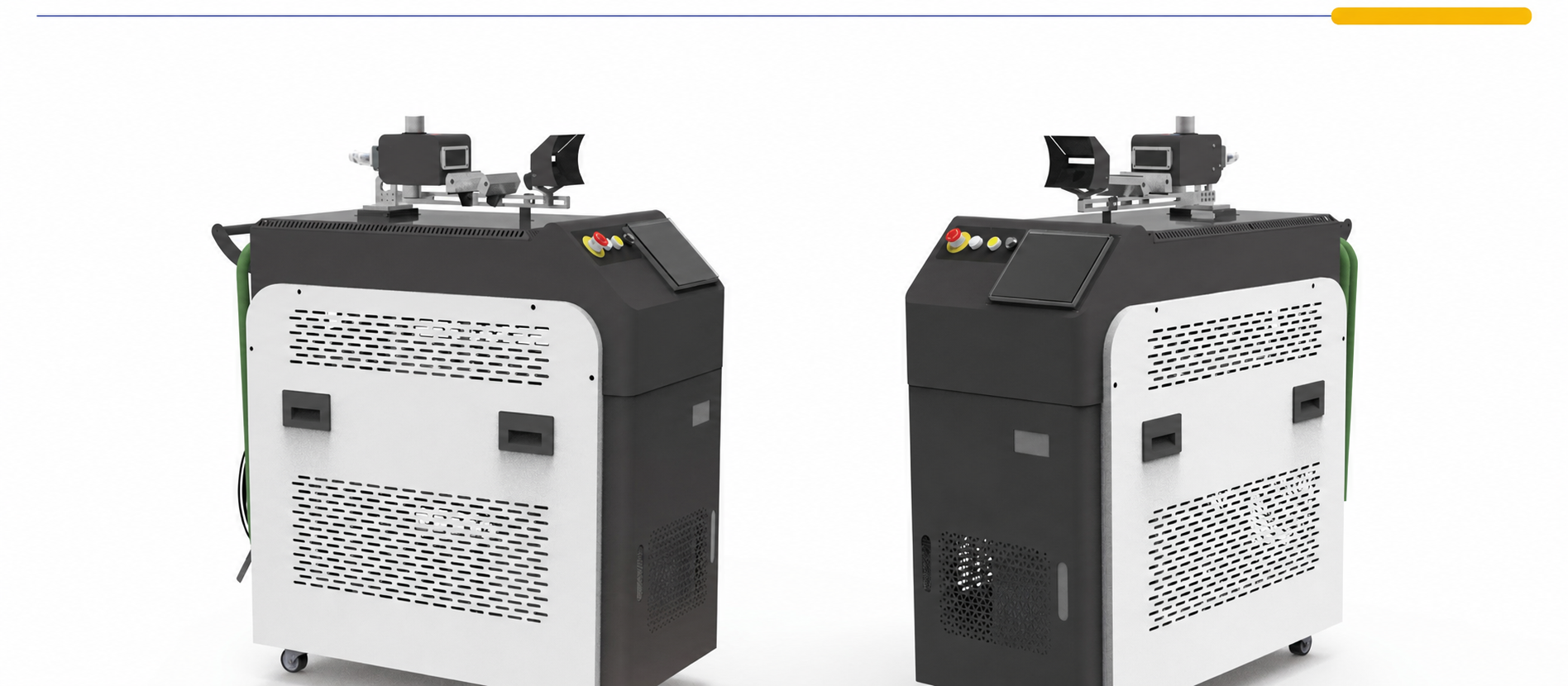
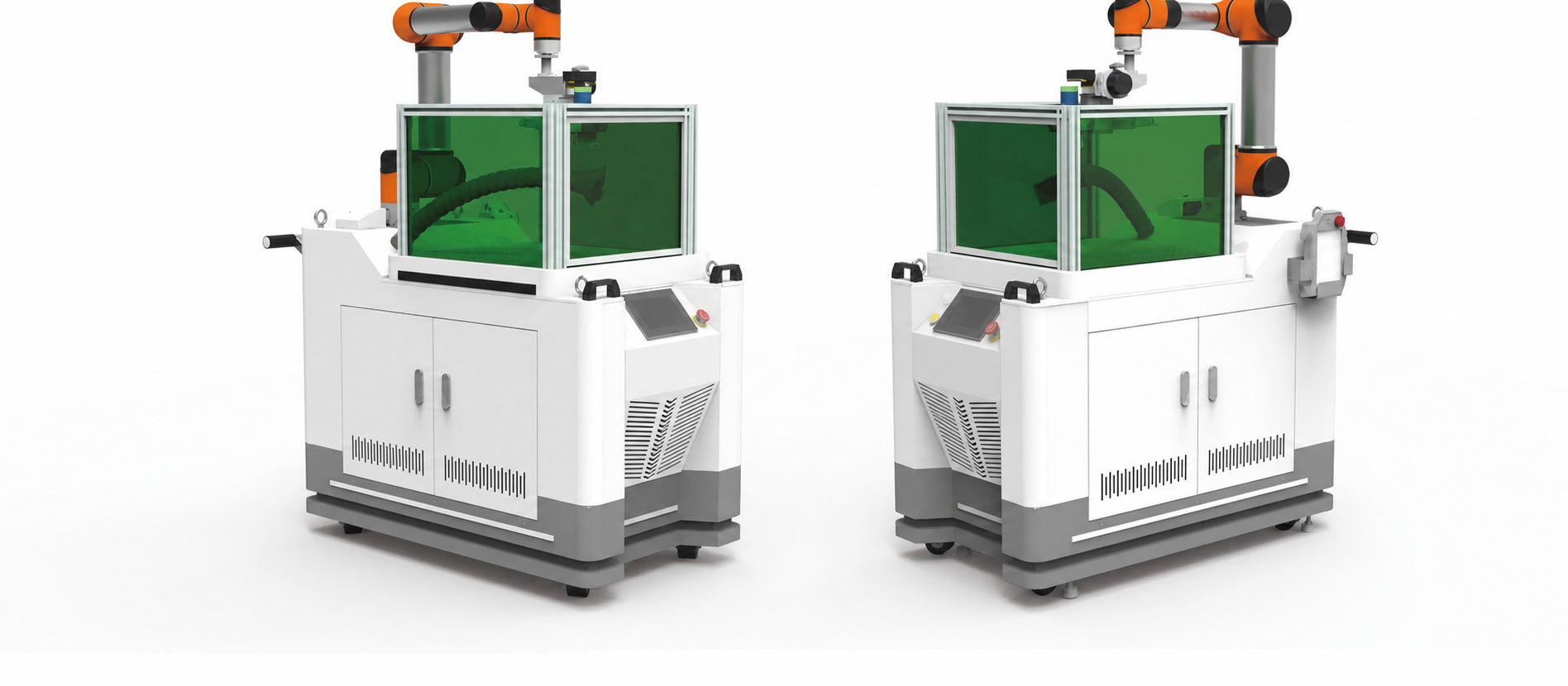
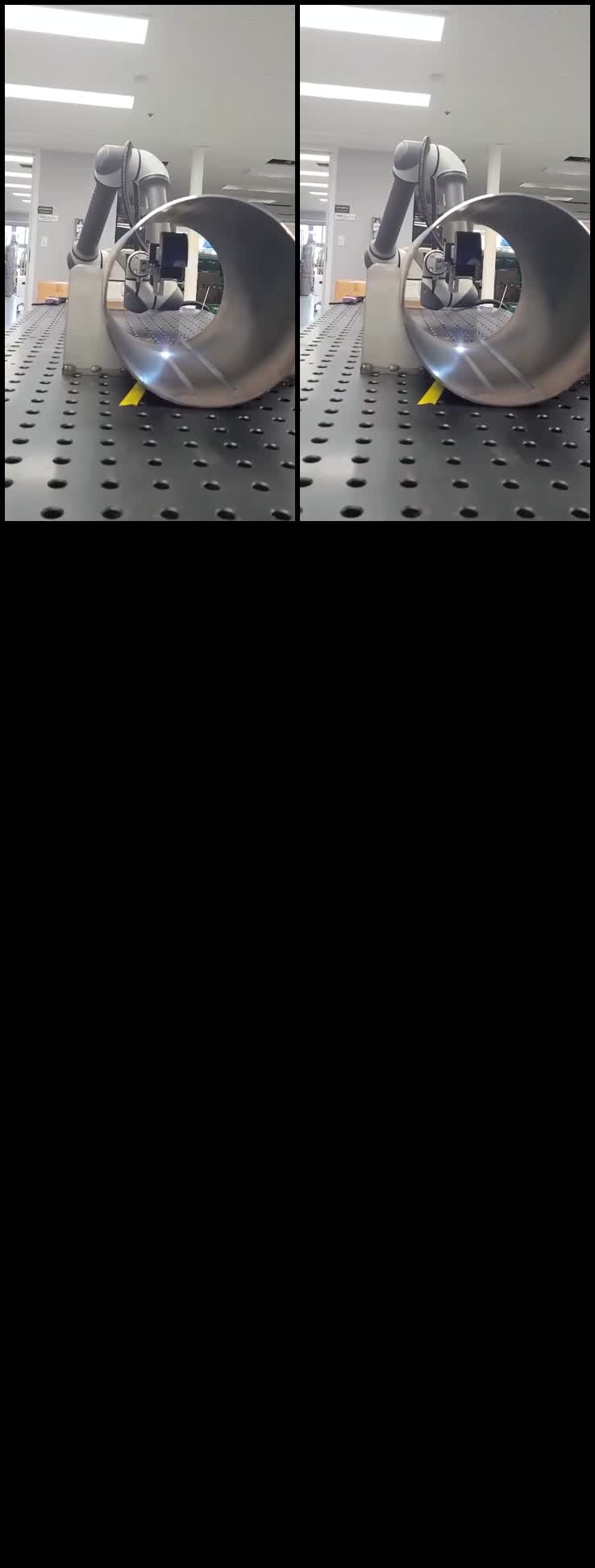
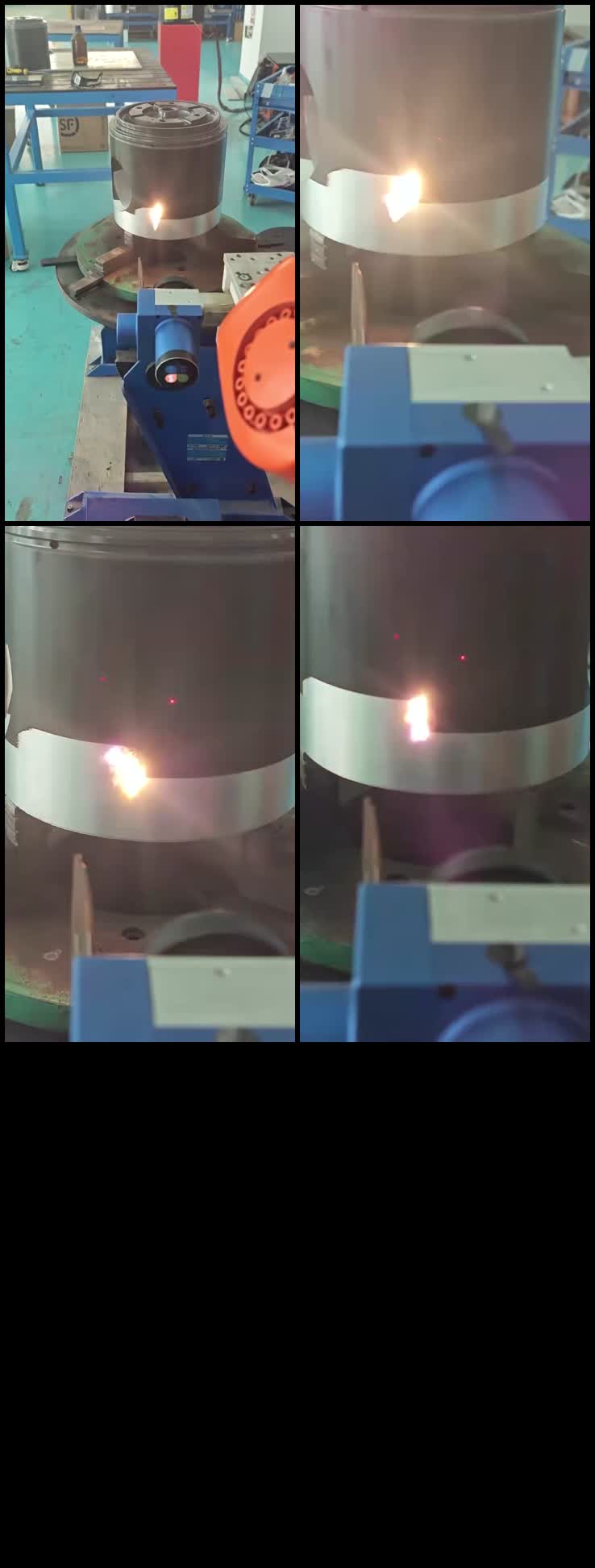
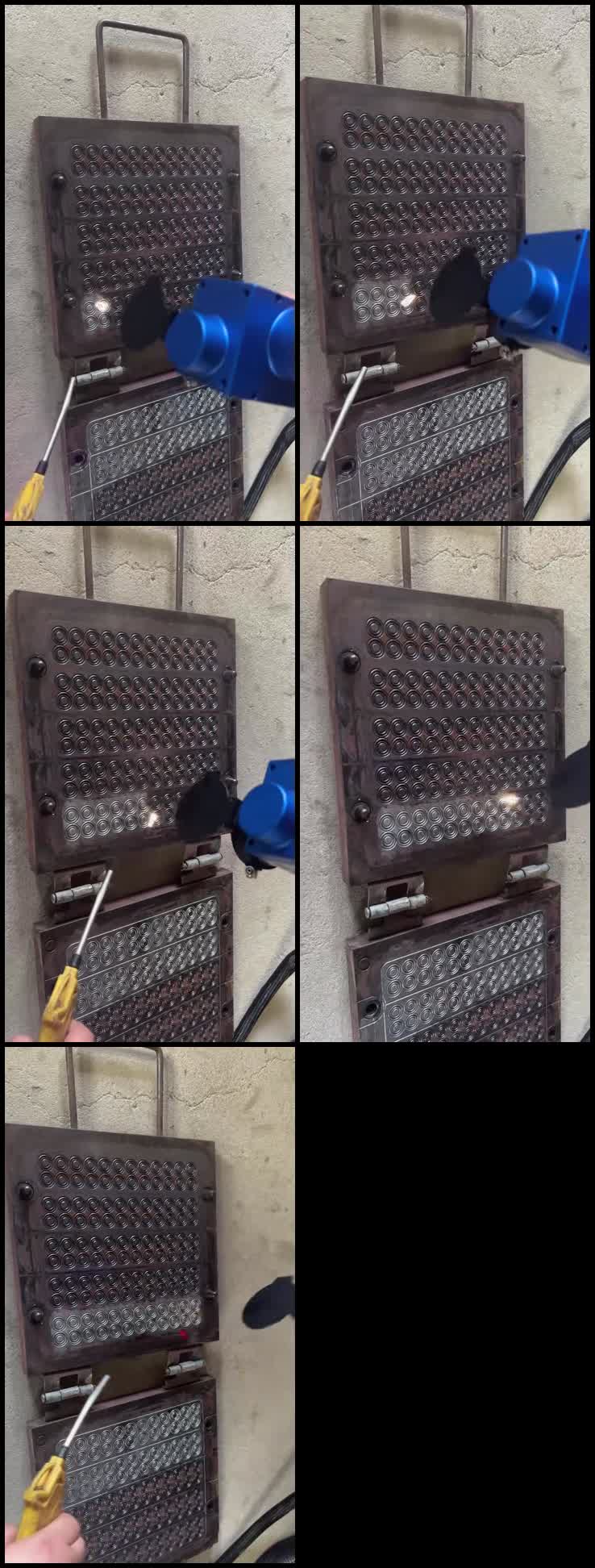
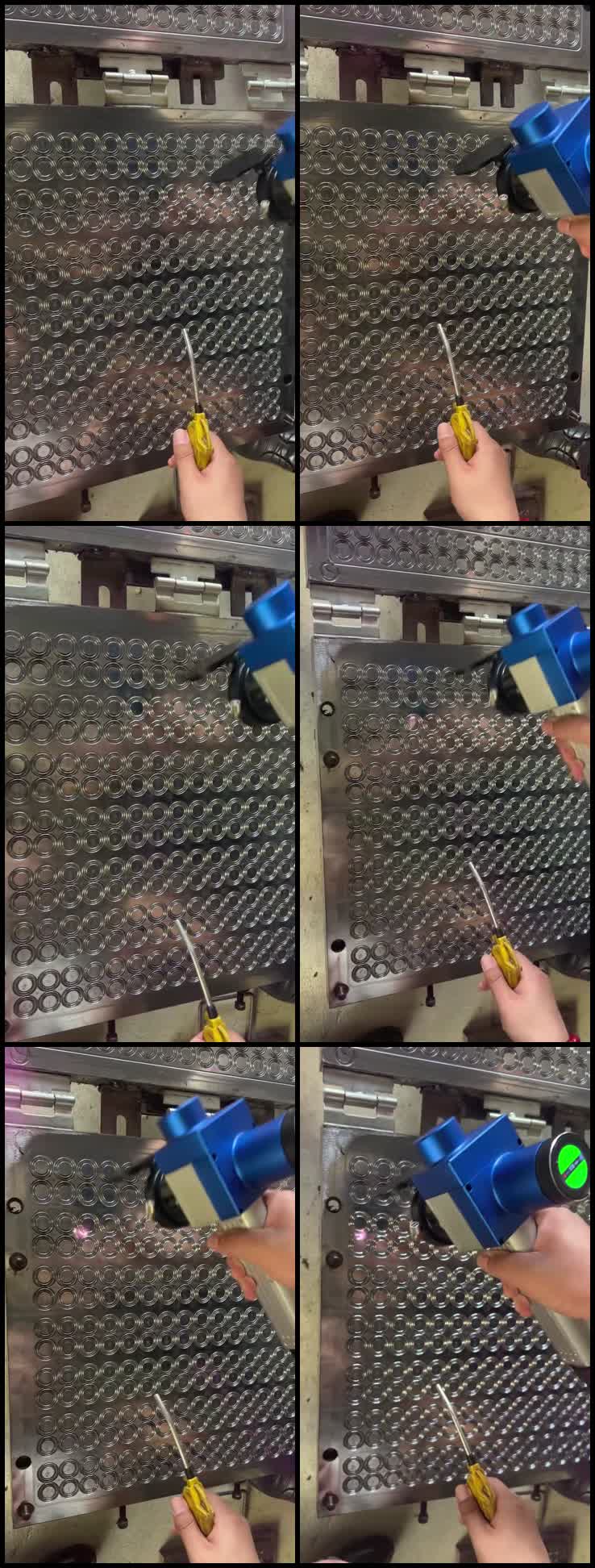
Laser cleaning can offer a cleaner, more controlled alternative to conventional methods - but the right process depends on the actual surface and required result.
01
Less consumable-dependent
Laser cleaning is a light-material interaction process that can reduce reliance on chemical agents and blasting media in suitable applications.
02
Non-contact processing
The laser process can remove targeted surface contamination without a mechanical tool contacting the workpiece.
03
Controlled surface preparation
Pulsed, continuous and hybrid paths are selected around the substrate, contamination, access and required next process.
Technology comparison
Compare laser cleaning with conventional methods
Method
Laser Clean
Mechanical Clean
Ultrasonic Clean
Dry Ice Clean
Sandblasting
Chemical Clean
Contact method
Non-contact
Contact
Contact
Non-contact
Contact
Contact
Surface response
Validate on the material
Process-dependent
Process-dependent
Process-dependent
Process-dependent
Process-dependent
Precision
High
Low
Low
Low
Low
Low
Comparison is adapted from the supplied LaserLuma material. Final suitability, finish quality and cycle time should be confirmed through an application review or sample test.
A pre-commissioning checklist for proving an automated laser cleaning cell's guarding, interlocks, stop response and vision checks, and recording who accepted each one.
Define a steel cleaning-to-coating hold window from the coating requirements, recorded exposure and a fresh surface inspection—not a universal waiting time.
Convert the sheet to energy per pulse and energy per unit area, establish which overlap it means, and compare the contaminant and substrate it came from with yours.